
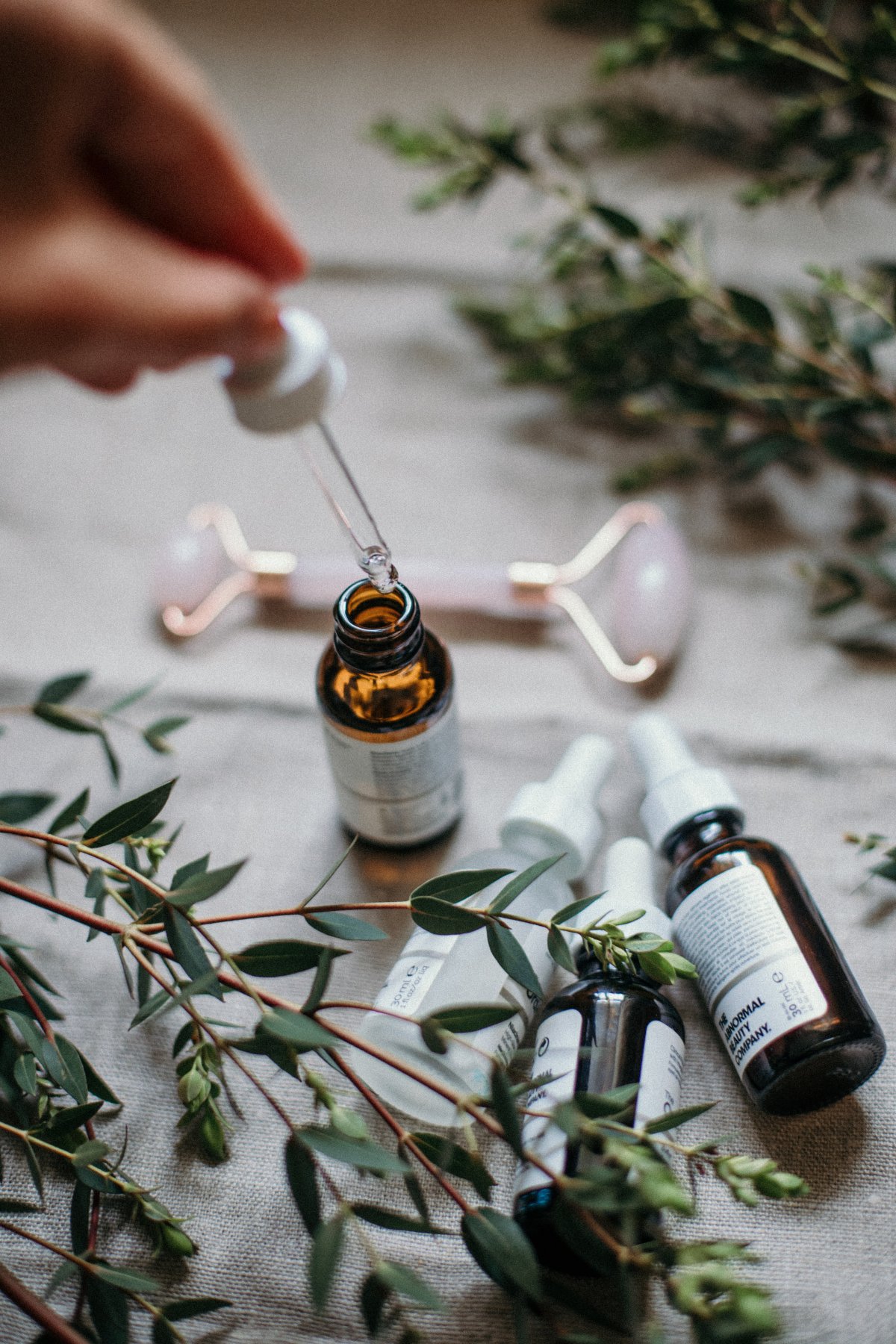
How to Use Essential Oils
There are several ways to use essential oils, depending on your needs and preferences. Here are some of the most effective methods:
1. Diffusing Using an essential oil diffuser is one of the most popular ways to enjoy the benefits of aromatherapy. The diffuser disperses the oils into the air, filling your space with therapeutic aromas. This method is great for improving mood, promoting relaxation, and purifying the air. Simply add a few drops of your favorite essential oil to the diffuser and let it work its magic.
2. Topical Application Essential oils can be applied directly to the skin, but it’s important to dilute them with a carrier oil such as coconut oil, jojoba oil, or almond oil to prevent irritation. Massage diluted oils onto sore muscles, pulse points, or the bottoms of your feet for quick absorption into the bloodstream. This method is ideal for pain relief, skin care, and localized treatment.
3. Bath Soaks Add a few drops of essential oils to your bath water for a soothing, aromatic soak. Oils like Lavender and Eucalyptus are perfect for relieving tension and creating a calming atmosphere. Combine your oils with Epsom salts for added relaxation benefits.
4. Inhalation You can inhale essential oils directly from the bottle or add a few drops to a cotton ball or handkerchief and breathe deeply. This method is great for boosting mental clarity, improving respiratory health, or uplifting your mood.
5. Massage Add a few drops of your chosen essential oil to a carrier oil and massage into your skin. This is an excellent way to experience the therapeutic benefits of oils like Peppermint or Frankincense, which can promote relaxation, ease tension, and alleviate pain.
Safety Tips When Using Essential Oils
While essential oils are a natural remedy, it's important to use them properly to ensure safety. Here are some guidelines:
While essential oils are a natural remedy, it's important to use them properly to ensure safety. Here are some guidelines:
- Always dilute essential oils with a carrier oil before applying them to the skin.
- Patch test: Do a small patch test on your skin to check for allergies or irritation.
- Avoid contact with eyes: If essential oils come into contact with your eyes, rinse immediately with carrier oil (not water).
- Consult a healthcare professional: If you are pregnant, nursing, or have underlying health conditions, consult a doctor before using essential oils.
- Keep away from children: Some essential oils may not be safe for children, so always check before using them around young ones.